
Tricks to Keep Your Pet Calm During Grooming
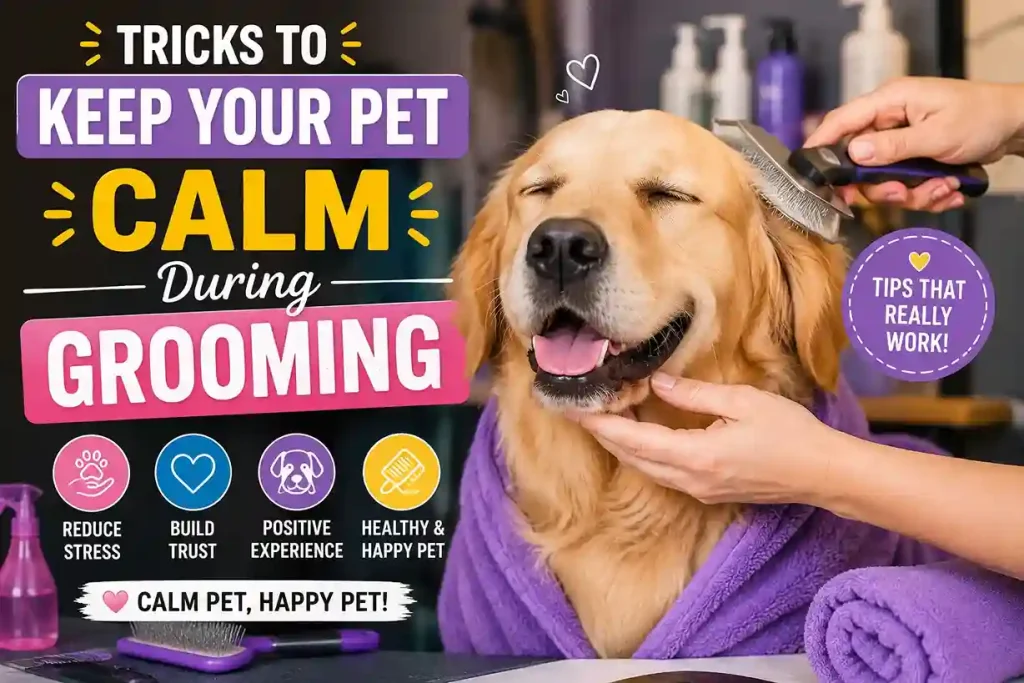
Grooming is an essential part of pet care, but for many dogs and cats, it can feel like a stressful experience. From the sound of clippers to unfamiliar handling, grooming sessions often trigger anxiety, nervousness, and resistance. Some pets become restless, while others may bark, scratch, hide, or refuse to cooperate altogether.
The good news is that grooming does not have to be a battle. With the right approach, pet owners can help their furry companions stay calm and comfortable during brushing, bathing, nail trimming, and professional grooming appointments.
Whether you have a playful puppy, a senior dog, a nervous rescue pet, or an independent cat, these proven grooming tips can help create a positive experience for everyone involved.
Why Pets Become Anxious During Grooming
Understanding the source of your pet’s stress is the first step toward solving the problem.
Many pets dislike grooming because they associate it with unfamiliar sensations or past negative experiences. Common triggers include:
- Loud grooming equipment
- Being restrained
- Water and bathing
- Nail trimming discomfort
- Sensitive skin areas
- Unfamiliar environments
- Strange smells and sounds
- Separation from their owners
For some pets, grooming anxiety develops because they were not exposed to regular handling and grooming routines when they were young.
Recognizing what causes your pet’s discomfort can help you adjust your approach and reduce their stress levels.
Start Grooming Training Early
One of the best ways to keep a pet calm during grooming is early exposure.
Puppies and kittens that become familiar with grooming tools and handling at a young age often grow into more cooperative adults.
Start by gently touching:
- Paws
- Ears
- Tail
- Face
- Legs
Offer treats and praise after each interaction. These positive experiences teach your pet that handling is safe and rewarding.
Even if your pet is older, gradual exposure can still improve their comfort level over time.
Create a Calm Environment
The environment plays a major role in your pet’s behavior.
A noisy or chaotic space can increase anxiety and make grooming more difficult.
Choose a quiet area away from:
- Television noise
- Loud music
- Active children
- Other pets
- Household distractions
Soft lighting and a calm atmosphere can help your pet feel more secure.
Many pet owners find that playing gentle background music helps create a relaxing environment during grooming sessions.
Exercise Before Grooming
A tired pet is often a calmer pet.
Before a grooming session, take your dog for a walk, play fetch, or engage in another physical activity. This helps release excess energy and reduces restlessness.
For cats, interactive toys can provide a healthy outlet for energy before grooming begins.
When pets are physically and mentally stimulated, they are more likely to remain relaxed during grooming.
Introduce Grooming Tools Gradually
Many pets become nervous when they see brushes, nail clippers, dryers, or electric trimmers.
Instead of immediately using these tools, allow your pet to investigate them.
Let your pet:
- Sniff the brush
- Observe the clippers
- Hear the sound of grooming equipment from a distance
Reward calm behavior with treats and praise.
This gradual introduction helps reduce fear and creates positive associations with grooming tools.
Use Positive Reinforcement
Positive reinforcement is one of the most effective training methods for reducing grooming anxiety.
Reward calm behavior throughout the grooming process with:
- Small treats
- Verbal praise
- Gentle petting
- Favorite toys
When pets associate grooming with rewards, they become more willing participants.
Avoid punishment or scolding, as this can increase fear and make future grooming sessions more challenging.
Keep Grooming Sessions Short
Long grooming sessions can overwhelm pets, especially those who are already nervous.
Instead of trying to complete everything at once, break grooming into smaller sessions.
For example:
- Brush for five minutes
- Take a break
- Trim a few nails later
- Clean ears on another day
Short sessions help build confidence and prevent grooming fatigue.
As your pet becomes more comfortable, you can gradually increase the duration.
Use High-Value Treats
Special rewards can make a significant difference.
Reserve your pet’s favorite treats specifically for grooming time.
Popular options include:
- Small pieces of chicken
- Freeze-dried treats
- Peanut butter for dogs
- Soft cat treats
- Cheese cubes in moderation
The goal is to create a strong positive connection between grooming and enjoyable experiences.
Be Gentle With Sensitive Areas
Certain parts of a pet’s body are naturally more sensitive.
These include:
- Paws
- Ears
- Face
- Tail
- Belly
Move slowly and gently when grooming these areas.
Watch for signs of discomfort, such as:
- Pulling away
- Whining
- Flattened ears
- Tail tucking
- Excessive panting
Respecting your pet’s limits helps build trust over time.
Choose the Right Grooming Products
Using quality grooming products can improve your pet’s comfort.
Look for:
- Pet-safe shampoos
- Hypoallergenic formulas
- Soft-bristle brushes
- Professional-grade nail clippers
- Sensitive skin products
Avoid products with harsh ingredients or strong fragrances that may irritate your pet’s skin.
If your pet has allergies or skin conditions, consult your veterinarian before selecting grooming products.
Take Breaks When Needed
If your pet becomes visibly stressed, it may be time for a break.
Forcing a frightened pet to continue can increase anxiety and create lasting negative associations.
Allow your pet to:
- Relax
- Drink water
- Walk around
- Receive treats
Returning to grooming after a short break often leads to better cooperation.
Learn to Recognize Stress Signals
Pets often communicate discomfort through body language.
Signs of grooming stress include:
In Dogs
- Lip licking
- Yawning
- Trembling
- Excessive panting
- Whale eye
- Tail tucked between legs
In Cats
- Flattened ears
- Dilated pupils
- Swishing tail
- Growling
- Hiding
- Hissing
Recognizing these signals early allows you to adjust your approach before anxiety escalates.
Consider Professional Groomers
Some pets feel more comfortable with experienced professionals.
Professional groomers understand animal behavior and use specialized techniques to reduce stress.
Benefits include:
- Safe handling
- Proper equipment
- Efficient grooming
- Breed-specific expertise
- Reduced risk of injury
If your pet struggles with home grooming, a qualified professional may provide a better experience.
Ask Your Veterinarian for Advice
If grooming anxiety becomes severe, consult your veterinarian.
Underlying issues may include:
- Arthritis
- Skin conditions
- Ear infections
- Dental pain
- Anxiety disorders
Addressing medical problems can dramatically improve your pet’s grooming experience.
In some cases, veterinarians may recommend behavioral training plans or calming aids.
Establish a Consistent Routine
Pets thrive on routine and predictability.
Scheduling grooming sessions regularly helps your pet know what to expect.
Instead of waiting until grooming becomes necessary, maintain a consistent schedule for:
- Brushing
- Bathing
- Nail trimming
- Ear cleaning
- Coat maintenance
Regular grooming sessions are often less stressful than infrequent, lengthy appointments.
Stay Calm Yourself
Pets are highly sensitive to human emotions.
If you are frustrated, rushed, or anxious, your pet may pick up on those feelings.
Approach grooming with patience and confidence.
Speak calmly, move slowly, and maintain a positive attitude.
Your pet is more likely to relax when they sense that you are comfortable and in control.
Benefits of Stress-Free Grooming
Helping your pet remain calm during grooming provides long-term benefits.
These include:
- Better coat health
- Healthier skin
- Reduced shedding
- Improved hygiene
- Fewer mats and tangles
- Lower anxiety levels
- Stronger pet-owner bonds
Most importantly, stress-free grooming improves your pet’s overall quality of life.
Final Thoughts
Grooming is about much more than appearance. It is an important part of your pet’s health, comfort, and well-being. While some pets naturally tolerate grooming, others need extra patience and support to feel safe.
By creating a calm environment, using positive reinforcement, introducing grooming gradually, and respecting your pet’s comfort level, you can transform grooming from a stressful chore into a positive experience.
Every pet is different, so take the time to learn what works best for your furry companion. With consistency, patience, and the right techniques, grooming can become a routine that both you and your pet feel comfortable with.