
Smart Ways to Prepare for Medical Emergencies at Home and Work
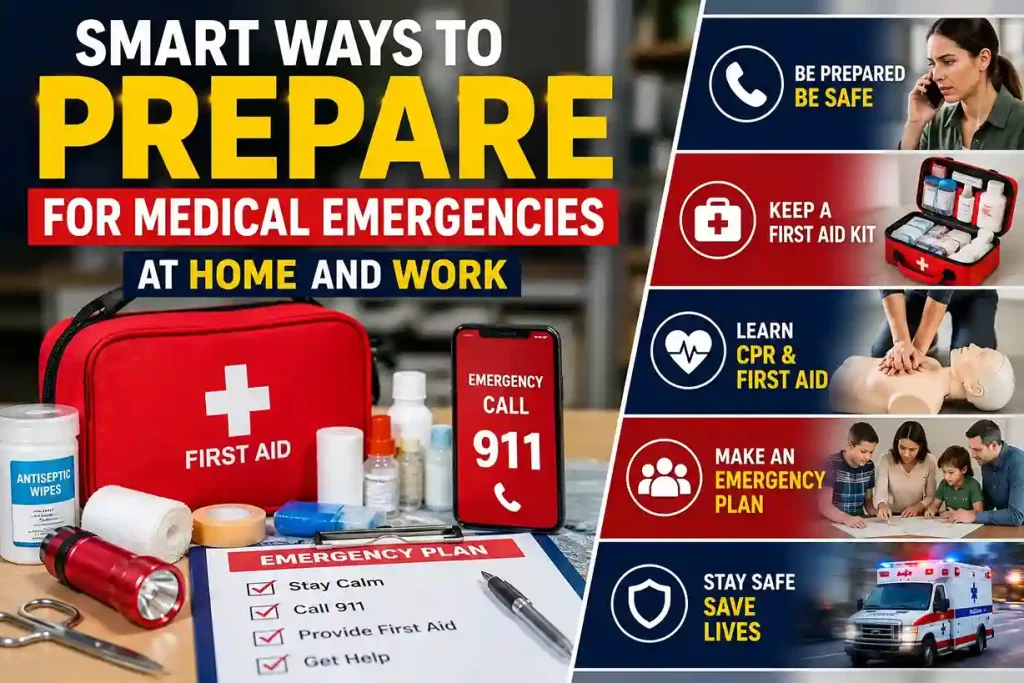
Medical emergencies can happen without warning. A sudden heart attack, severe allergic reaction, choking incident, burn injury, or workplace accident can turn an ordinary day into a life-threatening situation within seconds. While no one can predict when an emergency will occur, preparation can make a significant difference in protecting lives and reducing complications.
Many people assume that emergency responders will arrive immediately when they call 911. However, the first few minutes after a medical emergency are often the most critical. Knowing what to do before professional help arrives can improve outcomes and potentially save lives.
Whether you are a homeowner, employee, manager, or business owner, taking proactive steps to prepare for medical emergencies is an essential part of maintaining a safe environment. This guide explores practical strategies to help families and workplaces stay ready for unexpected medical situations.
Why Emergency Preparedness Matters
Medical emergencies occur every day across the United States. According to health and safety experts, immediate action during the first few minutes can significantly impact survival rates and recovery outcomes.
Preparation helps people:
- Respond quickly during emergencies
- Reduce panic and confusion
- Improve patient outcomes
- Minimize injury severity
- Support emergency responders
- Protect family members and coworkers
- Create safer homes and workplaces
Being prepared is not about expecting the worst. It is about ensuring you can respond effectively when help is needed most.
Build a Well-Stocked First Aid Kit
A first aid kit is one of the most important emergency preparedness tools.
Every home and workplace should have a readily accessible kit that contains essential medical supplies.
Recommended items include:
- Adhesive bandages
- Sterile gauze pads
- Medical tape
- Antiseptic wipes
- Antibiotic ointment
- Disposable gloves
- Tweezers
- Scissors
- Instant cold packs
- Burn treatment supplies
- Elastic bandages
- CPR face shield
- Digital thermometer
- Pain relievers
- Emergency blanket
Check your first aid kit regularly and replace expired or used items.
For larger workplaces, consider maintaining multiple kits in easily accessible locations.
Learn CPR and Basic First Aid
One of the smartest investments you can make is learning life-saving skills.
Cardiopulmonary resuscitation (CPR) can help maintain blood circulation and oxygen flow during cardiac arrest until emergency responders arrive.
Basic first aid training teaches individuals how to respond to:
- Cuts and bleeding
- Burns
- Choking
- Fractures
- Heart attacks
- Strokes
- Seizures
- Allergic reactions
Organizations such as the American Red Cross and the American Heart Association offer training programs throughout the United States.
Having multiple trained individuals in a household or workplace improves overall preparedness.
Keep Emergency Contact Information Accessible
During a crisis, searching for phone numbers wastes valuable time.
Create an emergency contact list that includes:
- Family members
- Primary care physician
- Local hospital
- Poison control center
- Emergency services
- Workplace safety officer
- Nearby relatives or friends
Store printed copies in visible locations and save digital copies on mobile devices.
Workplaces should ensure employees know where emergency contact information is located.
Know the Signs of Common Medical Emergencies
Recognizing symptoms early allows for faster intervention.
Heart Attack Warning Signs
Common symptoms include:
- Chest pain or pressure
- Shortness of breath
- Nausea
- Pain in the jaw, neck, or arm
- Cold sweats
Stroke Symptoms
Remember the FAST method:
- Face drooping
- Arm weakness
- Speech difficulty
- Time to call 911
Severe Allergic Reactions
Signs may include:
- Swelling of the throat
- Difficulty breathing
- Hives
- Dizziness
- Rapid heartbeat
Choking Emergencies
Watch for:
- Inability to speak
- Difficulty breathing
- Grabbing the throat
- Blue lips or skin
Quick recognition can significantly improve survival chances.
Store Essential Medications Properly
Many households rely on prescription medications for ongoing health conditions.
Emergency preparedness includes ensuring medications are:
- Clearly labeled
- Stored correctly
- Kept in original containers
- Protected from heat and moisture
- Regularly checked for expiration dates
Consider maintaining a small emergency supply when approved by your healthcare provider.
Workplaces should understand procedures for employees who may require emergency medications such as inhalers or epinephrine auto-injectors.
Create a Medical Information File
Emergency responders often need immediate access to medical information.
Maintain a file containing:
- Medical conditions
- Allergies
- Current medications
- Blood type
- Health insurance information
- Physician contact details
- Emergency contacts
For elderly family members or individuals with chronic illnesses, this information can be especially important.
Store both printed and digital versions when possible.
Install and Maintain Emergency Equipment
Homes and workplaces should be equipped with basic safety devices.
These include:
Smoke Detectors
Install smoke alarms on every level of the building and test them monthly.
Carbon Monoxide Detectors
Carbon monoxide exposure can be deadly. Detectors provide an early warning.
Fire Extinguishers
Keep extinguishers in kitchens, garages, workshops, and workplace areas.
Automated External Defibrillators (AEDs)
Many workplaces now maintain AEDs to assist during sudden cardiac arrest emergencies.
Employees should know their locations and receive training when possible.
Develop an Emergency Response Plan
Preparation is more effective when everyone knows their role.
A home emergency plan should address:
- Emergency contacts
- Evacuation routes
- Meeting locations
- Medical supply storage
- Responsibilities for family members
Workplace plans should include:
- Emergency reporting procedures
- Evacuation protocols
- First aid station locations
- Designated emergency coordinators
- Communication procedures
Review and practice these plans regularly.
Prepare for Child and Senior Care Emergencies
Children and older adults often require specialized emergency planning.
For Children
Parents should:
- Teach basic emergency numbers
- Explain when to call 911
- Review home safety procedures
- Identify trusted adults
For Seniors
Consider:
- Medication management plans
- Medical alert systems
- Mobility assistance needs
- Chronic condition monitoring
Families caring for elderly relatives should maintain updated medical records and emergency instructions.
Prevent Falls and Injuries
Falls are among the leading causes of injury, especially among older adults.
Reduce risks by:
- Removing tripping hazards
- Installing handrails
- Improving lighting
- Securing loose rugs
- Keeping walkways clear
Workplaces should conduct regular safety inspections to identify hazards before injuries occur.
Prevention remains one of the most effective forms of emergency preparedness.
Prepare for Workplace Medical Emergencies
Businesses have a responsibility to provide a safe working environment.
Key workplace preparedness measures include:
Employee Training
Provide regular safety and first aid education.
Emergency Drills
Practice emergency scenarios to improve response times.
Incident Reporting Procedures
Ensure employees know how to report injuries and medical emergencies.
Accessible First Aid Stations
Supplies should be clearly marked and easy to reach.
Designated Response Teams
Larger organizations often benefit from trained emergency response personnel.
These measures help improve workplace safety and reduce response delays.
Maintain Emergency Communication Tools
Communication is critical during emergencies.
Consider keeping:
- Fully charged cell phones
- Portable chargers
- Battery-powered radios
- Backup power sources
- Emergency notification systems
Workplaces should have procedures for communicating with employees during emergencies or evacuations.
Reliable communication helps coordinate assistance and provide updates when needed.
Prepare for Natural Disasters and Community Emergencies
Medical emergencies often occur during severe weather events and natural disasters.
Depending on your location, prepare for:
- Hurricanes
- Tornadoes
- Floods
- Wildfires
- Winter storms
- Earthquakes
Emergency preparedness kits should include:
- Water
- Nonperishable food
- Flashlights
- Batteries
- First aid supplies
- Prescription medications
Planning ahead can reduce risks during large-scale emergencies.
Stay Updated on Health and Safety Training
Medical knowledge and emergency recommendations continue to evolve.
Regularly update your skills through:
- CPR certification renewals
- First aid refresher courses
- Workplace safety training
- Community emergency preparedness programs
Ongoing education helps ensure you are prepared to respond confidently when emergencies occur.
The Importance of Staying Calm
Even with preparation, emergencies can be stressful.
Remaining calm allows individuals to:
- Assess the situation accurately
- Follow emergency procedures
- Communicate clearly
- Provide effective assistance
Taking a deep breath and focusing on immediate priorities can improve decision-making during critical moments.
Final Thoughts
Medical emergencies can happen anywhere, whether at home, in the workplace, or in public settings. While no one can eliminate every risk, preparation significantly improves the ability to respond effectively when seconds matter.
By maintaining first aid supplies, learning CPR, creating emergency plans, understanding common medical emergencies, and ensuring clear communication, individuals and organizations can build safer environments for everyone.
The smartest approach to emergency preparedness is taking action before an emergency occurs. A few simple steps today could make a life-saving difference tomorrow.